The Heart of CALABARZON
Batangas is a first-class province located in the CALABARZON region of the Philippines, situated on the southwestern part of Luzon Island. Known as the "Industrial Port City of CALABARZON," it serves as a vital economic gateway to the southern Philippines while maintaining its rich cultural heritage and natural beauty.
The province is strategically positioned south of Manila, bordered by Cavite and Laguna to the north, Quezon to the east, and surrounded by the South China Sea and Batangas Bay. This unique location has shaped Batangas into a diverse province that seamlessly blends industrial progress with tourism excellence.
Batangas by the Numbers
Key facts and figures about our beautiful province
Geography & Climate
Topography
Batangas features diverse terrain including coastal plains, rolling hills, and volcanic mountains. The province is home to the famous Taal Volcano, one of the world's smallest active volcanoes located within a lake.
Coastline
With over 200 kilometers of pristine coastline along the South China Sea and Batangas Bay, the province boasts numerous beautiful beaches, world-class diving spots, and protected marine sanctuaries.
Climate
Tropical climate with two distinct seasons: dry season (November-April) and wet season (May-October). Average temperature ranges from 23°C to 32°C year-round, perfect for tourism activities.
Natural Resources
Rich in marine resources, agricultural products, and minerals. World-famous for coffee production, particularly the renowned Barako coffee and the exclusive Kapeng Alamid (civet coffee).
Historical Timeline
Journey through the rich history of Batangas from pre-colonial times to the modern era
Pre-Colonial Era
Indigenous communities including the Tagalogs thrived in the region, establishing flourishing settlements along rivers and coasts. The area was renowned for its skilled seafarers, traders, and craftsmen.
Spanish Colonial Period
Batangas was officially founded as a province by the Spanish colonial government. The name "Batangas" is believed to derive from "batang," meaning logs, referring to the numerous logs floating in the Calumpang River.
Philippine Revolution
Batangas played a crucial role in the Philippine Revolution against Spain. Many brave Batangueños joined the Katipunan and fought valiantly for independence under leaders like Miguel Malvar.
American Period
During the Philippine-American War, Batangas became a stronghold of resistance. General Miguel Malvar led effective guerrilla warfare against American forces from his base in the province.
World War II
Batangas experienced Japanese occupation and became a center of guerrilla resistance. Despite suffering significant damage, the province emerged with strengthened community bonds and resilience.
Modern Development
Post-independence Batangas transformed into an industrial powerhouse while developing its tourism sector. Today, it successfully balances economic growth with environmental conservation and cultural preservation.
Culture & Heritage
Experience the vibrant traditions, festivals, and cultural treasures that make Batangas unique

Spanish Colonial Architecture
Magnificent churches and ancestral houses showcase centuries of Spanish influence, with Taal's Basilica of St. Martin of Tours being the largest Catholic church in Asia.

Coffee Heritage
Home to the world-famous Barako coffee and the rare Kapeng Alamid. Coffee culture runs deep in Batangueño tradition, passed down through generations of skilled farmers.

Culinary Traditions
Famous for Lomi, Bulalo, Goto, and other hearty dishes. Local cuisine reflects the province's agricultural abundance and coastal location with fresh ingredients.

Festivals & Celebrations
Vibrant festivals like the Sublian Festival celebrate local traditions, while town fiestas honor patron saints with colorful parades and cultural performances.

Traditional Crafts
Skilled artisans create beautiful embroidered barongs, handwoven textiles, and intricate wood carvings that preserve centuries-old techniques and cultural heritage.

Language & Literature
The Batangueño dialect of Tagalog is known for its distinctive accent and expressions. The province has produced notable writers and poets who celebrate local culture.
Economy & Industry
Batangas stands as one of the Philippines' most economically dynamic provinces, successfully balancing industrial development with sustainable tourism and agriculture.
Industrial Hub
Home to major industrial complexes including the Batangas Bay Industrial Complex and numerous manufacturing facilities. The province hosts petrochemical plants, power generation facilities, and automotive assembly plants.
Maritime Gateway
Batangas Port serves as the primary gateway to the southern Philippine islands, handling millions of passengers and tons of cargo annually. It's a crucial link for inter-island commerce and tourism.
Agriculture
Major producer of coffee, sugarcane, coconut, and various tropical fruits. The province is famous for its high-quality Barako coffee and sustainable farming practices.
Tourism Industry
Tourism contributes significantly to the local economy, with world-class diving destinations, beach resorts, historical sites, and adventure tourism attracting millions of visitors annually.

Economic Indicators
- GDP Contribution: ₱500+ Billion
- Employment Rate: 95.2%
- Major Industries: 15+
- Tourist Arrivals: 8M+ annually
- Export Value: $2B+ annually
Government & Administration
Provincial Government
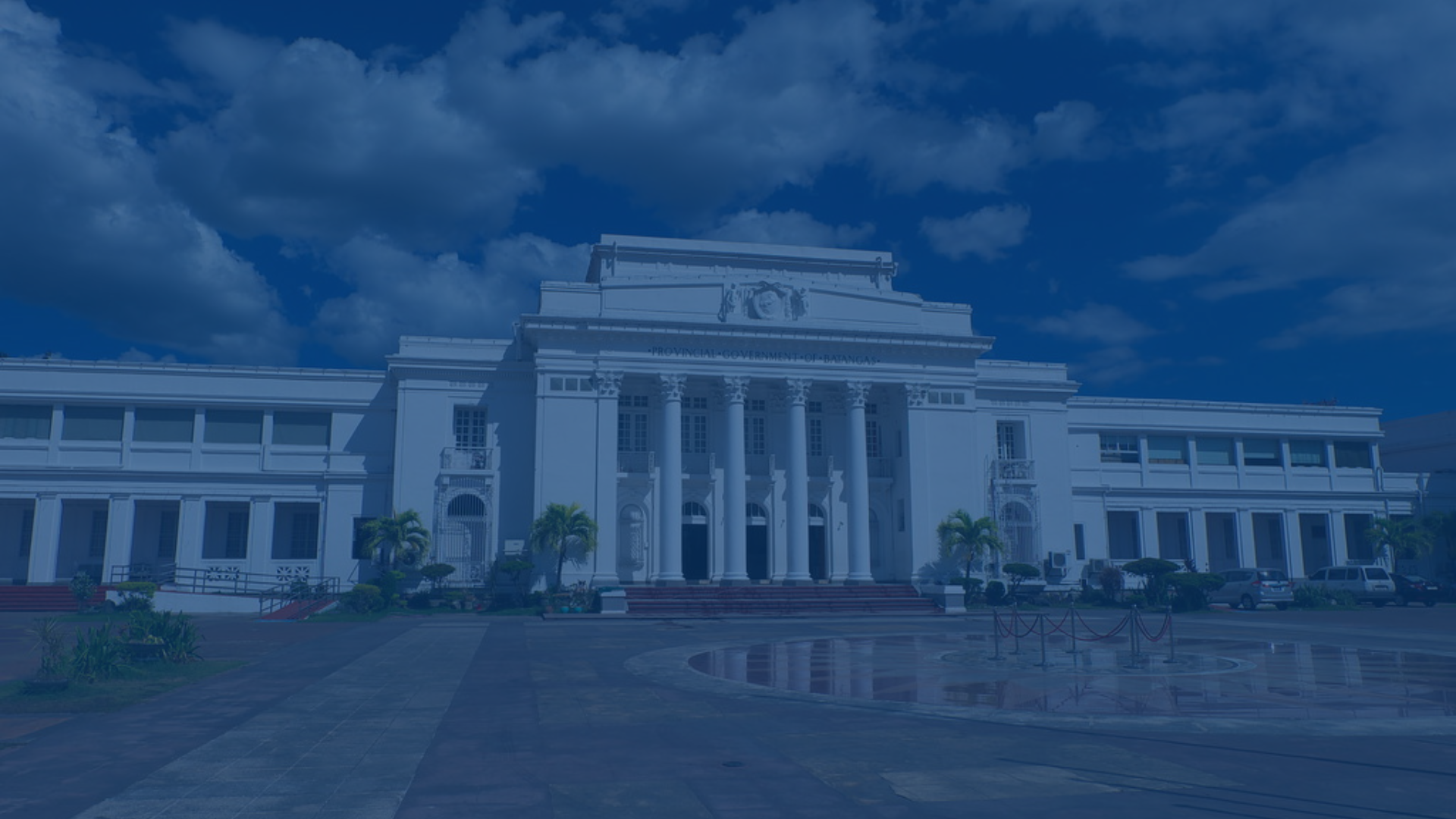
Batangas is governed by a provincial government headed by a Governor, with a Provincial Board (Sangguniang Panlalawigan) serving as the legislative body. The province is divided into four congressional districts represented in the national legislature.
Key Government Services
- Provincial Health Office
- Social Services and Development Office
- Tourism and Cultural Affairs Office
- Environment and Natural Resources Office
Cities and Municipalities
The province comprises 4 cities and 30 municipalities, each with its own local government unit providing essential services to residents and visitors.
Component Cities
- Batangas City
- Lipa City
- Santo Tomas
- Tanauan City
30 municipalities including popular tourist destinations like Nasugbu, Mabini, Taal, and Calatagan.
Education & Healthcare
Education Excellence
Batangas is home to several prestigious educational institutions, making it a center for learning in the CALABARZON region.
Major Universities & Colleges
- Batangas State University - The premier state university with multiple campuses
- De La Salle Lipa - Private Catholic university known for excellence
- University of Batangas - Leading private institution
- Lyceum of the Philippines University Batangas
Literacy Rate: 97.8% (Above national average)
Healthcare System
The province maintains a robust healthcare system with modern medical facilities and specialized services serving the entire region.
Major Healthcare Facilities
- Batangas Medical Center - Regional medical hub
- Mary Mediatrix Medical Center - Private tertiary hospital
- Metro Lipa Medical Center - Advanced medical services
- Various Rural Health Units - Primary care coverage
Hospital Bed Capacity: 2,500+ beds
Healthcare Coverage: Universal healthcare access
Transportation & Connectivity
Batangas enjoys excellent connectivity with Manila and other regions, making it easily accessible for tourists and business travelers.
By Road
STAR Tollway and SLEX provide direct highway access from Manila. Travel time: 1.5-2 hours
Public Transport
Regular bus services from Manila terminals. Provincial buses connect all municipalities
Sea Transport
Batangas Port serves ferries to Mindoro, Romblon, and other southern islands
Air Access
Nearest airports: NAIA (2 hours) and Clark (3 hours). Private airstrip in Nasugbu
Experience Batangas Today
From pristine beaches to rich cultural heritage, from world-class diving to mountain adventures, Batangas offers unforgettable experiences for every type of traveler.